Explore Alawwa
Beautiful bridges, peaceful rivers, a forest monastery, and heritage villages — discover the natural and cultural treasures of the Alawwa area.
LOADING EXPLORE ALAWWA...
Beautiful bridges, peaceful rivers, a forest monastery, and heritage villages — discover the natural and cultural treasures of the Alawwa area.
From century-old bridges over the Maa Oya to quiet forest monasteries and villages that still practise traditional crafts, the Alawwa area holds a wealth of places worth visiting. Explore the list below, view each location on the map, and browse the photo gallery for a closer look.
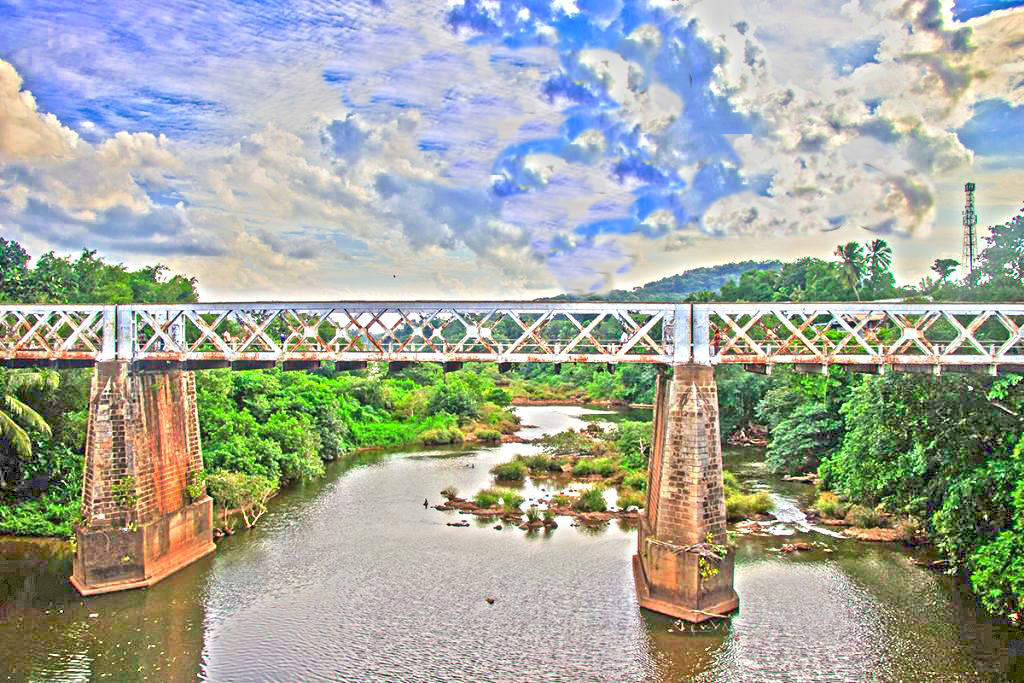
The Old Alawwa Bridge is an important link between the Sabaragamuwa and North Western Provinces. Built across the Maa Oya, it offers wide and beautiful views of the river below. The bridge stands on two strong stone pillars, joined with lime mortar, rising about 33 feet above the riverbed. It is about 324 feet long and 18 feet wide, with iron side railings around 10 feet high. Construction began in 1929, and the bridge was opened to the public in 1936. Today, at nearly 88 years of age, it is used only by people walking across. It remains a favourite spot for wedding photography and for enjoying the natural beauty around it, even as the structure slowly grows older with time.
View on Google Maps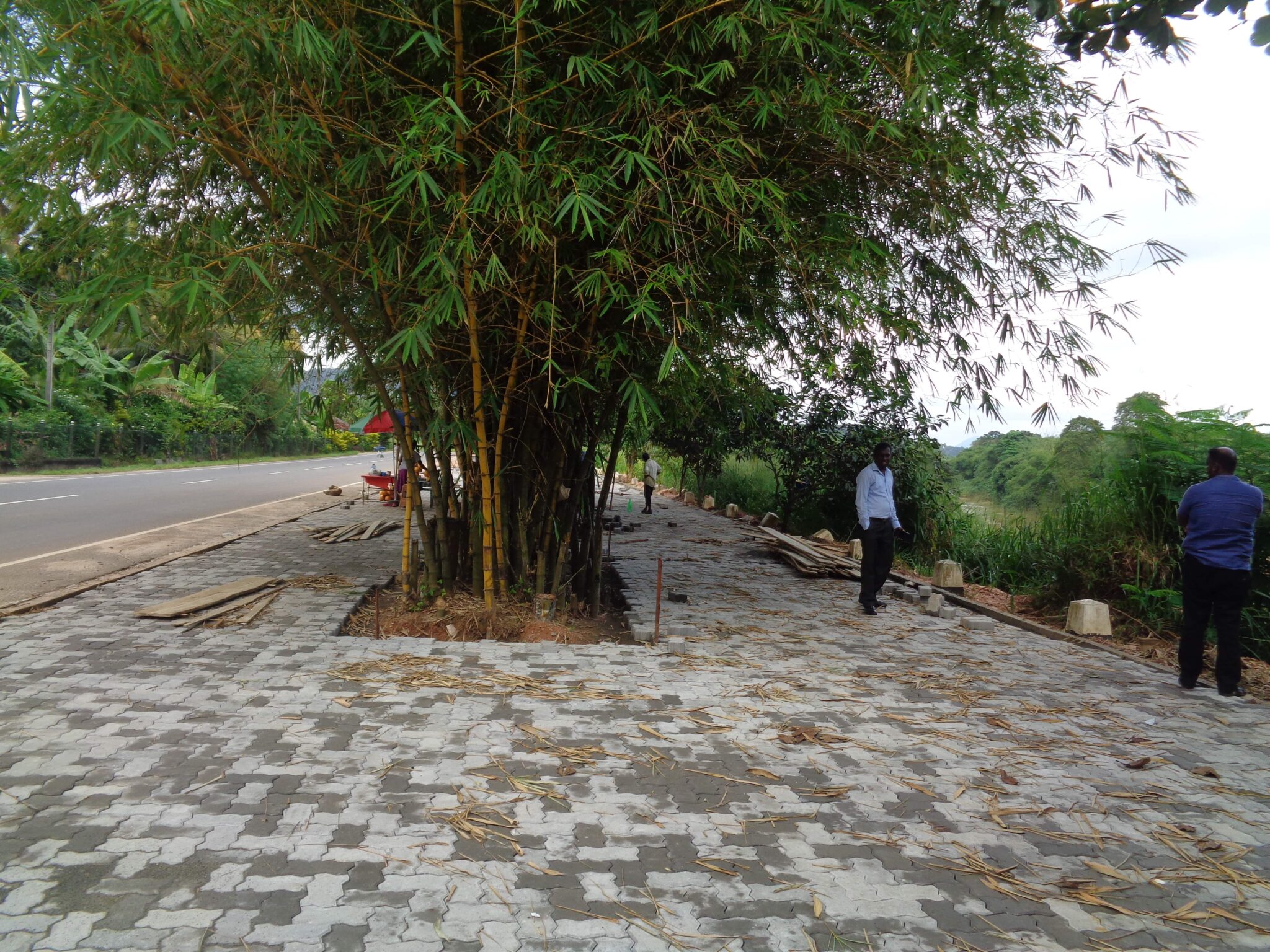
This quiet stretch of land beside the Ma Oya is being developed under the Local Government Areas Tourism Infrastructure Development Program, with new facilities planned to welcome more visitors in the future. Located along the Colombo–Trincomalee main road and running parallel to the Ma Oya, this peaceful spot is ideal for nature lovers and for anyone wanting a short break from traffic and daily life. Its calm surroundings and natural beauty have made it a favourite place for both local and international visitors alike.
View on Google Maps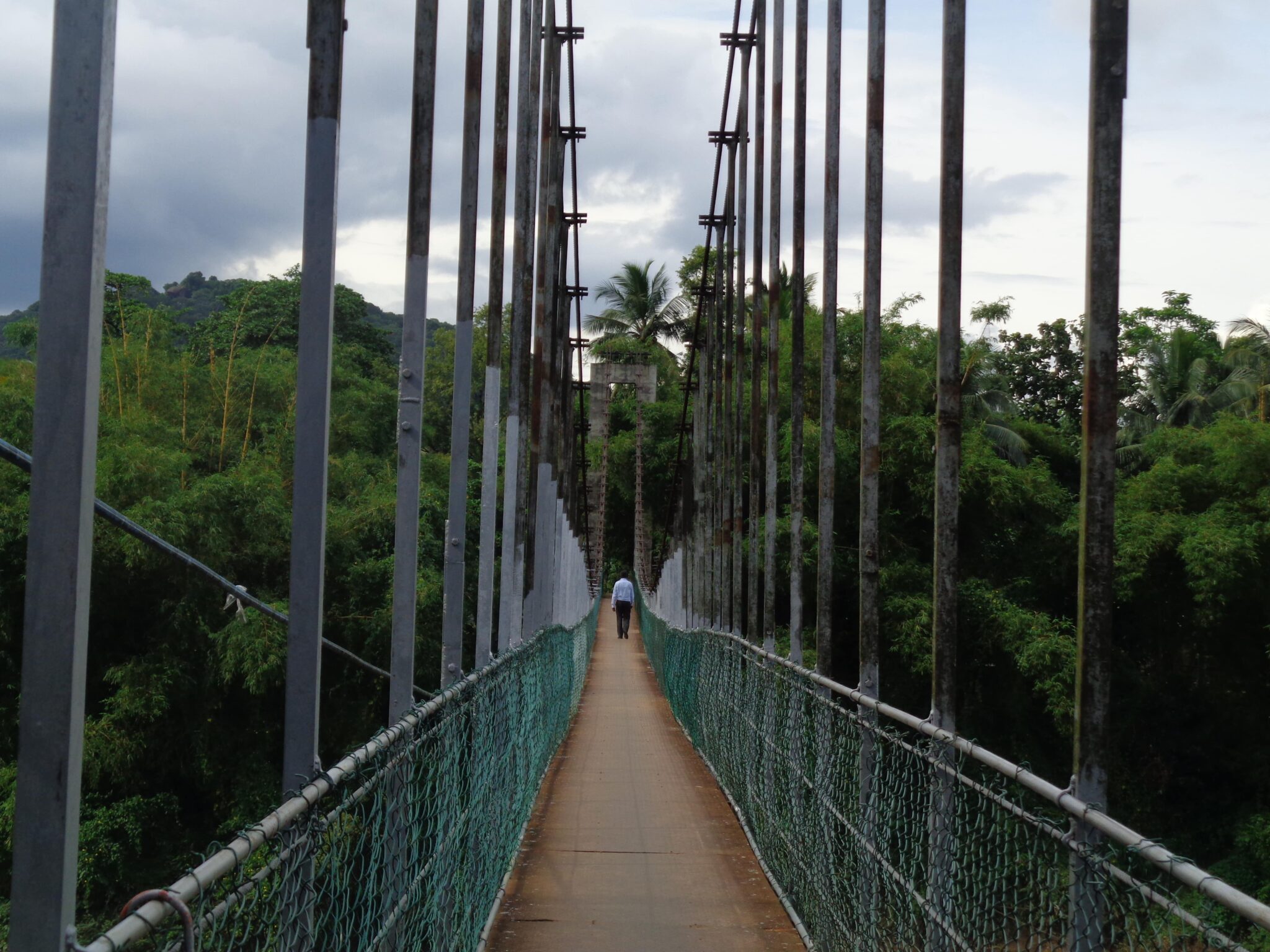
The Waddeniya Sangili Bridge is a graceful suspension bridge built across the Ma Oya, connecting the Sabaragamuwa and North Western Provinces. Its elegant design and scenic setting make it a popular attraction for visitors of all ages. Walking across the bridge offers wide, uplifting views of the river and the surrounding landscape, making it a peaceful place for reflection. As it links two provinces, the bridge is proudly and jointly cared for by two local government institutions.
View on Google Maps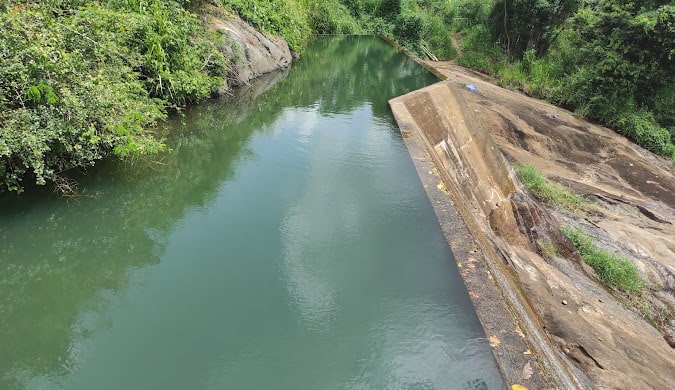
Thundola Lake is a scenic reservoir surrounded by green hills and countryside, offering a calm setting for rest and outdoor activities. Its natural charm makes it a favourite place among visitors seeking peace in nature. Thundola lies in the quiet village of Waduwawa, a little inside Polgahawela, between the Levudeniya hill range and the Narampola paddy fields. Three streams flowing down from the Levudeniya and Nungamuwa hills meet and flow together between two large rocks in this area. A wall built at the foot of the Levudeniya hill created this reservoir to provide water for the surrounding paddy fields. Though shaped somewhat like a pool, the lake is generally quite deep, so visitors are kindly asked to take care near the water.
View on Google Maps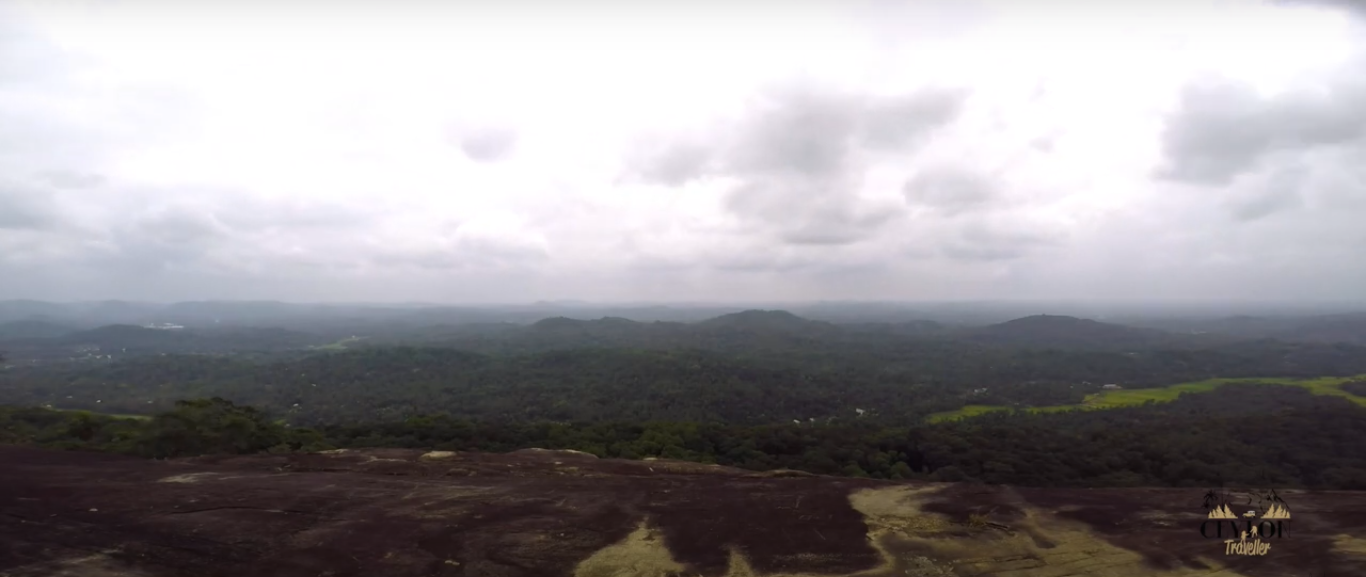
Habbilikanda is a peaceful forest sanctuary, well loved by nature lovers and those who wish to meditate in quiet surroundings. Its calm, green setting offers a welcome escape from busy daily life. As meditating monks reside here, visitors are kindly asked to behave respectfully and avoid disturbing the peaceful atmosphere of this sacred place.
View on Google Maps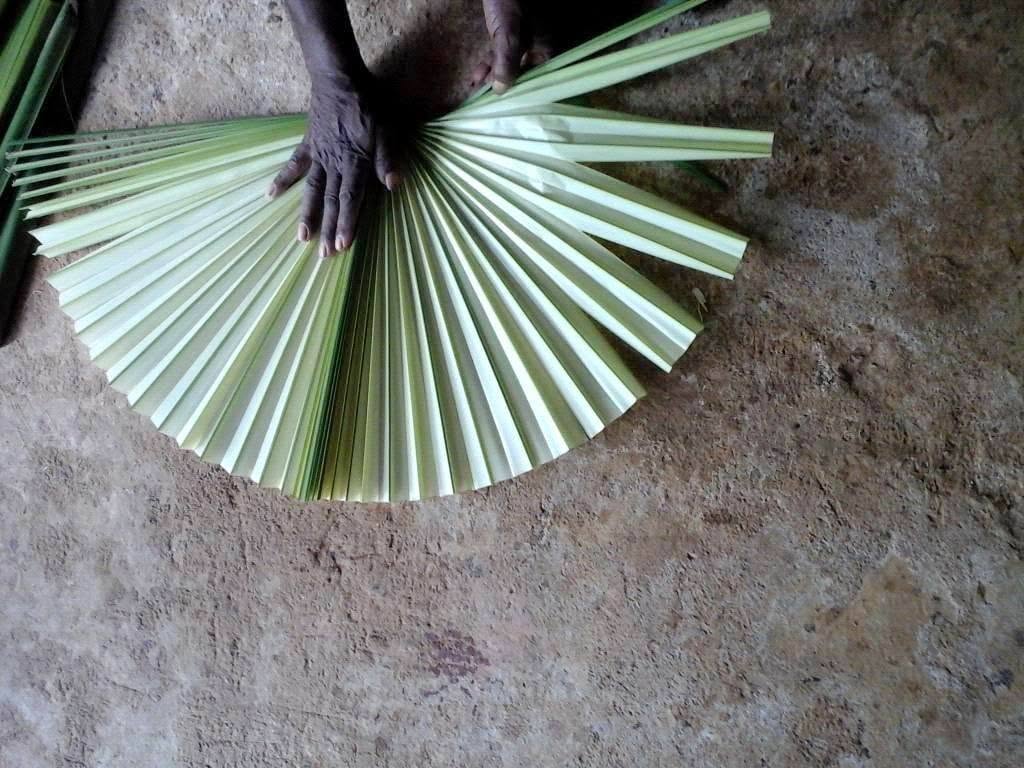
Galatharaya is a village in the Alawwa Divisional Secretariat area of the Kurunegala District, known for its traditional palm-leaf craft. Villagers here still make woven mats, tea boxes, baskets, and other palm-leaf products by hand, keeping alive a skill passed down through many generations. Almost every household in Galatharaya takes part in palm-leaf work, and the village is home to an old palm garden that has stood since ancient times. According to local tradition, palm leaves used to record the Buddhist scriptures at the Alu Viharaya in Matale, during the reign of King Valagamba, were brought from Galatharaya with royal blessing. A royal palm garden known as Madilla was later established here, on land that now spans about 50 acres, in an area still known today as Thalgaha Maduwa. Early British-era land surveys recorded this area as government land, a status that continues to this day.
View on Google Maps